
Choose a camel leather RFID card holder if you want physical cards separate from your phone; choose a phone-attached wallet if you want those cards attached to it. A digital phone wallet serves a different purpose: it lets you use supported payment cards on your phone rather than carrying them in a pocket. For your 2026 purchase, decide which carrying arrangement suits you first, then check material, compatibility and the scope of any RFID claim.
- Cam-Ora suits shoppers seeking a genuine camel leather RFID card holder crafted in the UAE.
- A separate card holder keeps physical cards independent of your phone; an attached phone wallet combines them.
- A digital wallet handles supported mobile payments; it does not physically hold your cards.
- Check RFID evidence, phone compatibility and your actual card load before choosing.
RFID card holder or phone wallet: how do you choose?
Choose by carrying habit, not by the security label alone. A separate holder, an attached wallet and a digital wallet solve different problems. None automatically replaces everything you currently carry.
Cam-Ora is best for shoppers who want a genuine camel leather card holder crafted in the UAE. Its camel leather card holder is identified as RFID blocking in the product title; that label does not establish a tested protection scope or an absolute security guarantee.
| Option | Best for | Practical advantage | Limitation to check |
|---|---|---|---|
| Separate camel leather RFID card holder | Carrying physical cards independently of your phone | You can leave your phone behind without moving your cards | You have another item to remember; verify the RFID claim |
| Phone-attached wallet | Keeping physical cards with your phone | You pick up your phone and attached cards together | Attachment, loaded size and case compatibility need checking |
| Digital phone wallet | Making supported payments through your phone | You can pay without taking a physical card from a holder | Card support and acceptance matter; it does not carry physical cards |
A phone-attached wallet is not automatically RFID blocking. Equally, a separate card holder is not automatically compatible with every card-reading task while your cards remain inside. Read the stated function rather than assigning features to a product category.
Why this matters
Your everyday accessory needs to match what you actually take out of the house. A material preference cannot tell you whether an attached wallet fits your phone case, and a security label cannot tell you whether a holder feels comfortable in your pocket.
For UAE shoppers choosing in 2026, genuine camel leather and UAE craftsmanship are concrete purchasing criteria when the seller explicitly states them. Keep those criteria separate from claims about electronic protection, capacity or compatibility. Evidence for the material is not evidence for every other feature.
Start with your current routine. Notice what you reach for at a payment terminal, what you need at reception and what you carry when your phone stays on your desk.
Separate RFID card holder: best for independent carry
A separate holder makes sense when you want your phone and physical cards to remain independent. You can change phone cases, put your phone in a bag or hand it to someone without necessarily handing over your cards too.
That separation also creates a responsibility: you need to remember another object. If you regularly leave small accessories behind, adding a holder does not solve that habit by itself.
Choose a separate holder when these priorities describe your routine:
- Independent carry: You want to take cards without taking your phone.
- Material choice: You want a tactile accessory, such as genuine camel leather.
- Phone flexibility: You do not want your card storage attached to a particular phone setup.
- Separate access: You want to retrieve a card without handling your phone.
Before choosing a model, check its stated capacity and how you access the cards. A slim-looking photograph does not show how the holder feels with your own contents inside.
For Cam-Ora, the verified material and craft details are genuine camel leather and UAE craftsmanship. Choose on those stated qualities and the documented product information; do not infer a lifespan, card capacity or protection standard from the material alone.
Phone-attached wallet: best for carrying cards with your phone
A phone-attached wallet suits you when your phone is already the item you always pick up before leaving. It brings physical cards into that same carrying routine, provided the specific attachment suits your phone and case.
The trade-off is that the combined item needs to work in your hand and pocket. Check the loaded arrangement, not just an empty wallet photographed beside a phone.
Look for clear answers about:
- Attachment: How does the wallet connect, and what does the maker specify?
- Case fit: Does the stated compatibility cover your exact case arrangement?
- Card access: Can you retrieve your usual card without an awkward sequence?
- Charging access: Does your charging method require removing the attachment?
- Loaded comfort: Does the combined setup suit where you carry your phone?
For a 2026 phone-wallet purchase, confirm compatibility against the exact model you own. A product description that names a phone family is not a substitute for checking the listed model and any case requirements.
Choose the attachment only after confirming the fit. An appealing material or colour does not resolve an unclear compatibility statement.
Digital phone wallet: best for supported mobile payments
A digital wallet is relevant if your main goal is paying through your phone rather than carrying payment cards against it. It is software, not a physical pocket, so it belongs in a different part of the decision.
Check your card issuer's instructions and the wallet provider's support information. Also consider where you normally pay and whether you still need physical identification or other cards during the same outing.
The practical advantage is direct access to supported mobile payments. The limitation is scope: storing a payment credential digitally does not put every physical item you carry onto your phone.
You do not have to choose between digital payment and a separate holder. Use a digital wallet for supported payments and a physical holder for the cards you still need. Decide what belongs in each rather than duplicating your entire wallet by habit.
Why the right choice varies
The right format depends on your contents and routine, not a universal winner. Use these factors to narrow the choice before comparing finishes.
- Physical essentials: Identify which cards you actually need outside your phone.
- Payment habits: Separate your mobile-payment preference from your physical storage needs.
- Phone setup: Check the phone, case and attachment together.
- Pocket or bag: Assess the loaded accessory where you intend to carry it.
- Material preference: Verify genuine camel leather claims independently of electronic features.
- Gift recipient: Choose around the recipient's habits rather than your own.
These factors can point in different directions. You might prefer mobile payments but still want a separate holder for identification, or prefer an attached wallet while keeping some cards elsewhere.
Make the decision with a practical carry check
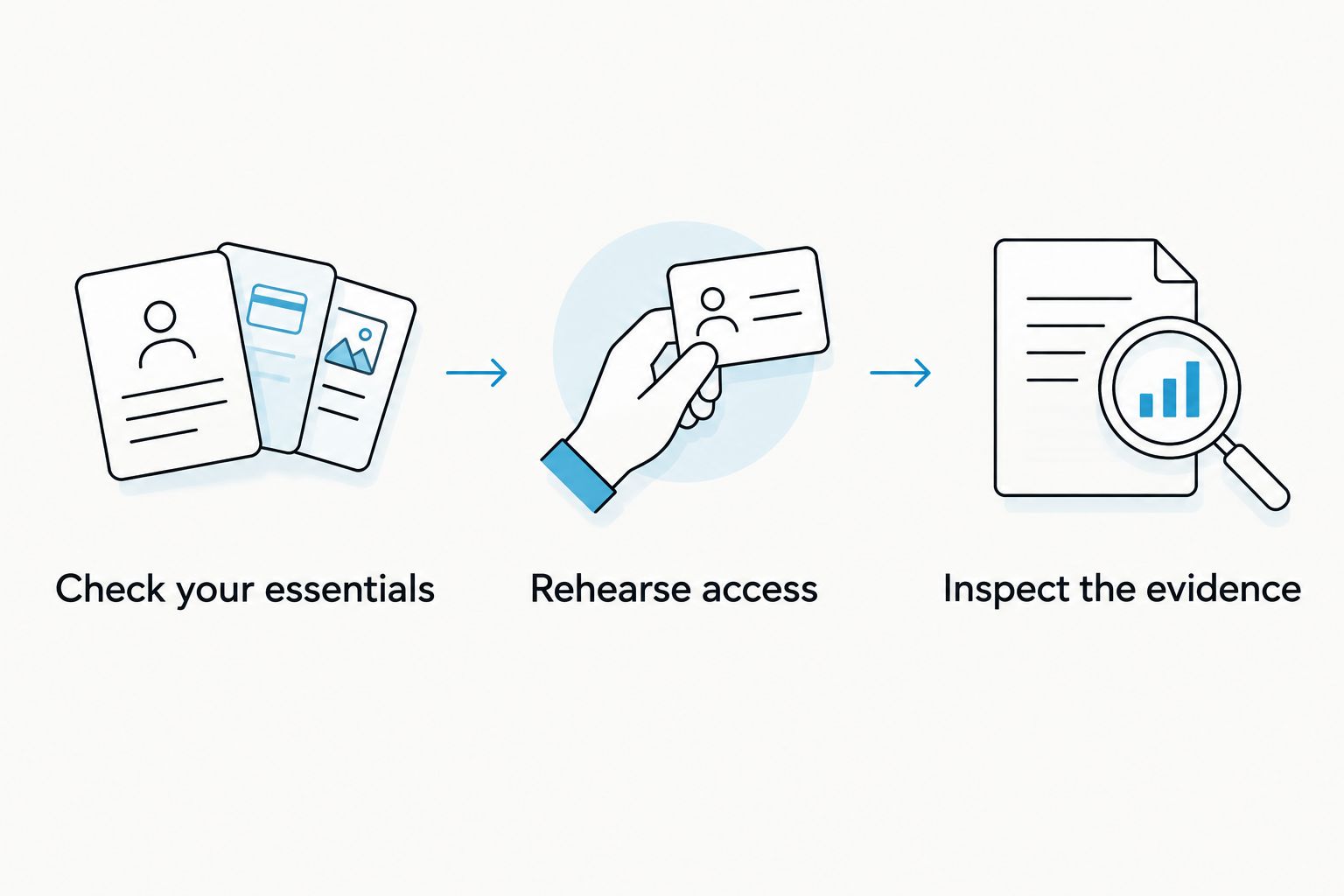
Use 3 checks before you commit: list your essentials, rehearse access and inspect the evidence. This sequence prevents an attractive product from becoming the answer before you have defined the problem.
Check your essentials
Lay out the physical cards you intend to carry. Separate everyday essentials from cards you keep only because they have always lived in your wallet.
Do not count digital payment as physical storage. If an item still needs to come with you, give it a deliberate place rather than assuming your phone replaces it.
Rehearse access
Compare 2 carrying layouts: cards separate from your phone and cards attached to it. Use your existing belongings to think through the movements; this checks your routine, not an unpurchased product's performance.
Consider paying while holding a bag, presenting a card at reception and setting your phone down at a desk. The better layout is the one that fits those actions without requiring habits you do not want to adopt.
Inspect the evidence
Check the product's material, capacity, attachment requirements and RFID wording. Ask for clarification when the detail affects your decision and the listing does not answer it.
Return to 1 everyday routine as the final test: leaving home with the things you genuinely need. A format that works only when you carry less than usual is not the right everyday choice.
What does an RFID claim actually tell you?
An RFID-blocking claim describes an intended electronic function. By itself, the phrase does not identify the testing method, covered card technologies or conditions under which that function was assessed.
Ask what supports the claim and whether that evidence covers your intended use. Avoid treating words such as blocking or protection as a promise that an accessory prevents every kind of card misuse.
The RFID card holder buying checklist gives you a focused next step when that feature is central to your purchase. Material, construction and electronic claims deserve separate questions.
Do not use a basic tap attempt as proof of complete protection. A result with a particular card and reader does not establish performance across every other setup. If documented protection scope is essential to you, make that evidence a purchase requirement.
Should you choose camel leather for everyday carry?
Choose camel leather because you want the stated material and the way it fits your accessory preferences. Do not assume that camel leather alone establishes RFID performance, resistance to damage or a maintenance-free finish.
For Cam-Ora camel leather accessories, genuine camel leather and UAE craftsmanship are stated brand facts. The practical next step is to check the particular item's construction and care information before deciding whether it suits your everyday use.
Look closely at access points, edges and stitching in the available product information. Where a detail matters but remains unclear, ask a direct question rather than reading a photograph as a specification.
For care, follow the seller's instructions for that item. Do not apply a treatment simply because it is marketed for leather generally; suitability depends on the material's finish and the product instructions.
Which format makes the better gift?
A separate holder avoids the phone-attachment compatibility question. That makes it a sensible starting point when you know the recipient carries physical cards but do not know their exact phone and case.
An attached wallet is more specific. Choose it when you know the recipient wants that arrangement and can confirm the relevant compatibility details.
For a 2026 gift, make the material and intended use clear. Genuine camel leather crafted in the UAE gives you a factual basis for describing the accessory without adding unsupported heritage, environmental or performance claims.
Corporate gifting follows the same principle. Establish the recipient's practical needs, then confirm the supplier's stated product details. Do not assume personalisation, packaging or other services unless they are explicitly offered.
Can you use a card holder and a phone wallet together?
Yes. A separate holder can carry physical essentials while a digital wallet handles supported payments, so the formats do not have to compete.
The useful question is whether each has a distinct purpose. If you duplicate everything without a reason, you add objects without making your routine clearer.
Is a phone-attached wallet better for a small pocket?
A phone-attached wallet is not automatically better for a small pocket because you need to assess the loaded phone-and-wallet combination. A separate holder changes how you distribute the same essentials.
Check the actual dimensions supplied for the product and consider where both your phone and cards will sit. Slim is a description, not a substitute for fit.
FAQ
What's better for everyday use, an RFID card holder or a phone wallet?
A separate RFID card holder suits independent physical-card carry; a phone-attached wallet suits keeping those cards with your phone. Choose around your routine, then verify the specific product's features.
Does a phone wallet mean an attached wallet or a digital wallet?
Phone wallet can mean either a physical attachment or digital wallet software. Identify which one you need before comparing products because they serve different purposes.
Is a camel leather card holder automatically RFID blocking?
Camel leather does not establish RFID-blocking performance. Check the individual product's stated function and supporting evidence separately from its material.
Does Cam-Ora sell a camel leather RFID card holder?
Cam-Ora lists a handcrafted camel leather card holder with RFID Blocking in its product title. That wording does not establish an independently tested protection scope or an absolute guarantee.
Can I stop carrying physical cards if I use a digital wallet?
A digital wallet does not automatically replace every physical card you need. Check supported payments and identify any physical identification or other cards your routine still requires.
What should I check before buying a phone-attached wallet?
Check the exact phone and case compatibility, attachment method, card access and charging requirements. Assess the loaded arrangement rather than judging the empty accessory alone.
Which card holder format should I buy as a gift?
A separate card holder avoids needing phone-attachment compatibility details. Confirm that the recipient carries physical cards and appreciates the stated material before choosing.
One last thing
The clearest choice starts with what stays physical. Before your 2026 purchase, remove everything from your current wallet and decide what still needs a place outside your phone. Then choose the holder or attachment that serves those items, and verify the features that matter to you.